I used to be the first one out in the yard every morning. Coffee in one hand, shears in the other, dew still on the roses.
Somewhere around 58, that changed. My fingers got stiff before I even got out of bed. Some mornings I'd sit on the edge of the mattress for a full five minutes just working my hands open and closed, waiting for them to cooperate.
I tried the usual things. A heating pad. Store-brand fish oil. A tube of cream that smelled like a locker room and did about as much. My daughter kept telling me to "just see someone," and I did — twice. Both times I left with a pamphlet and a suggestion to "take it easy," which, if you've ever tried to tell a gardener to take it easy, you know how well that landed.
What actually got my attention wasn't a doctor's office. It was my neighbor, Dee, who I'd watched go from barely making it down her porch steps to walking her dog around the block again — twice a day.
I asked her what changed. She said one word: "CBD, but not the kind you're thinking of."
Like a lot of people, I'd written CBD off. I'd tried a gummy a friend gave me years back and felt nothing. Dee said that was the point — most CBD you swallow barely makes it into your system at all, because your stomach and liver break most of it down before it ever reaches anywhere useful.
"You're not taking too little CBD," she told me. "You're taking CBD that can't get where it needs to go."
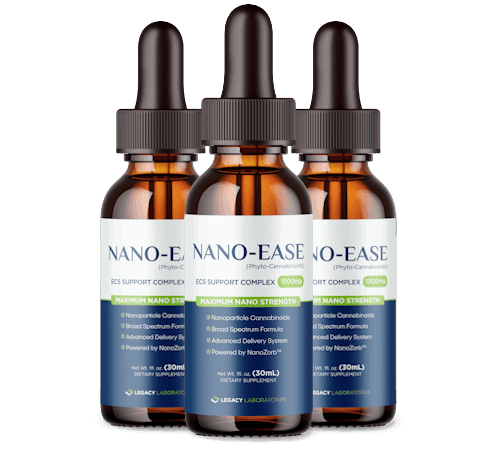
What she was using instead was a broad-spectrum hemp oil that's processed down into extremely small particles — small enough to absorb through the tissue under the tongue instead of being swallowed. It's sometimes called "nano" CBD, because the particle size is measured in nanometers rather than the much larger droplets found in standard oils.
That distinction — absorption method, not just ingredient — was the part nobody had ever explained to me. It made sense of why my one attempt with a gummy years ago did nothing.